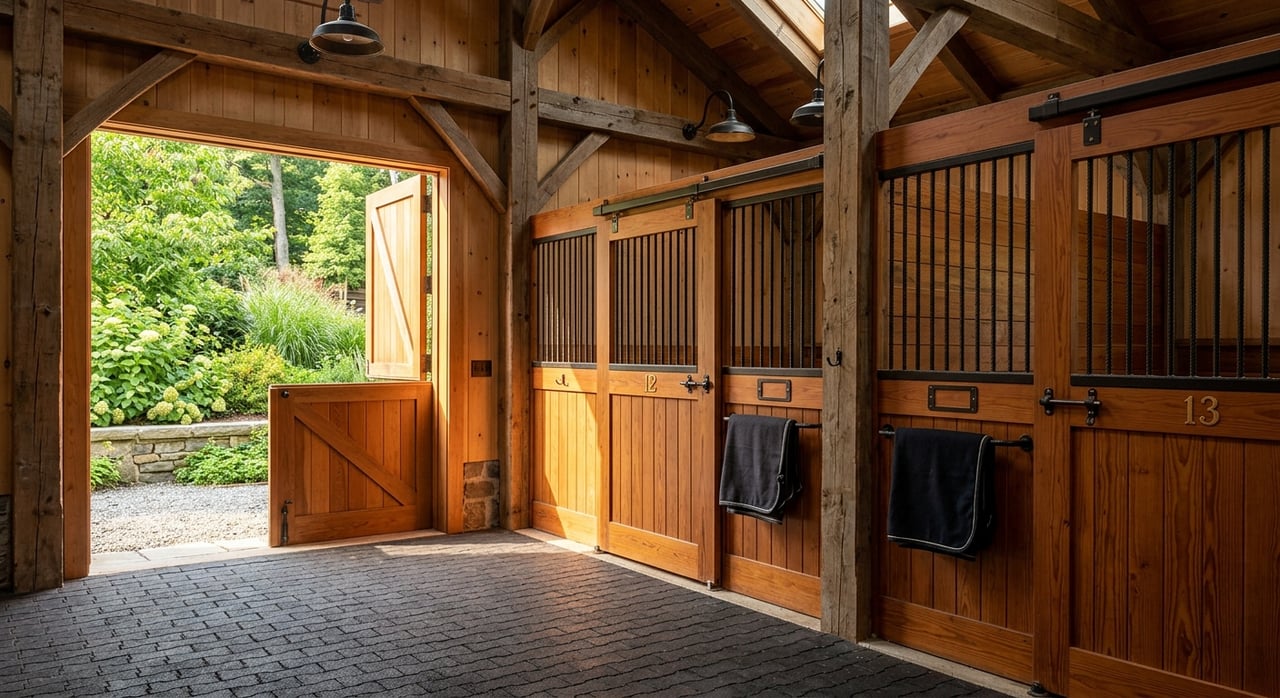
If your idea of Montana living includes morning chores, room to ride, and easy access to public land, Corvallis deserves a closer look. This part of the Bitterroot Valley offers more than pretty views. It brings together working farmland, horse-friendly recreation, and a community where equestrian life is already part of the local rhythm. If you are exploring horse property or simply want a lifestyle that fits your riding goals, this guide will help you understand what makes Corvallis stand out. Let’s dive in.
Why Corvallis Appeals to Horse Owners
Corvallis sits in a part of Ravalli County shaped by both valley-floor farmland and nearby mountain terrain. County planning documents describe the area as a mix of residential pockets and active agricultural land, with private lands concentrated on the valley floor and public lands stretching into the Sapphire and Bitterroot Mountains.
That mix matters if you want both usable land and access to wider riding country. Ravalli County also reported 3,333 horses and ponies in its 2022 agriculture data, which helps show that horses are not a niche interest here. They are part of the broader land-use pattern and everyday lifestyle.
A Real Agricultural Base
One reason the equestrian lifestyle feels natural around Corvallis is the area’s strong agricultural foundation. Ravalli County notes that much of its farmland is used for grazing and hay production, which supports the kinds of property features many horse buyers look for.
Corvallis also has a meaningful agricultural research presence through Montana State University’s Western Agricultural Research Center. Established in 1907, the center focuses on horticulture, small-acreage operations, fruit and vegetable production, and related field research. Its field days and outreach programs add to the working-agriculture character of the area.
For you as a buyer, that can translate into a setting where acreage living feels established rather than out of place. Whether you want a smaller horse setup or a more traditional acreage property, Corvallis offers a context that supports both.
Riding Access Near Corvallis
For many buyers, land is only part of the equation. You also want places to ride beyond your fence line, and Corvallis benefits from its proximity to the Bitterroot National Forest.
The Forest Service notes that the Bitterroot National Forest offers horse camping and trail riding, with many trails shared by hikers, horse riders, and bicyclists. It also points out that many trailheads and horse-camping areas include stock-friendly features like hitching rails, stock ramps, or feed bunks.
That existing infrastructure can make a real difference in day-to-day usability. Instead of piecing together where you can load in, camp, or tie off, you are looking at a public-land system that already accounts for equestrian use in many areas.
Gold Creek as a Local Example
A Corvallis-area example is Gold Creek Campground, which is listed near Corvallis. It offers four campsites and access to hiking, biking, motorcycle, and horseback riding opportunities.
According to Recreation.gov, trails from the campground and nearby areas connect riders to the Skalkaho Wildlife Preserve, Gold Creek, and the Easthouse National Recreation Trail. The campground can also accommodate RVs or trailers up to 25 feet, which adds practical appeal if you trailer out for a weekend or day ride.
Trails and Stewardship
Ravalli County’s natural resource plan says horseback riding is popular locally, with hundreds of miles of trails in the Bitterroot National Forest accessible to horses. The county also notes that those trails are maintained through partnerships with the Backcountry Horsemen.
That detail says a lot about the local culture. In Corvallis and the surrounding valley, riding is not only recreational. It is tied to stewardship, volunteer effort, and long-term use of the land.
Horse Culture in the Community
A great equestrian area is not only about trails and acreage. It also helps to have community events and programs that reflect a shared horse culture.
In Ravalli County, the fair is one of the clearest public examples. County fair programming includes ranch rodeo, Bulls, Broncs and Barrels, and the Northern Rodeo Association rodeo. Fair materials also point to horse-related classes, including horses, mules, and donkeys in harness.
That kind of public programming gives you a good sense of the lifestyle here. Horses are visible in local traditions, local events, and family activities.
Youth and Family Involvement
Ravalli County Extension also supports a youth horse program through 4-H. The county’s 4-H materials include horse project guidance for both western and English riders, and the horse rules page describes projects such as trail riding, packing, and working ranch horse.
If you are moving with children or grandchildren, or simply value a community where horse knowledge is passed down and shared, that matters. It shows that equestrian life in the area is supported by organized, ongoing community involvement.
What to Look for in a Corvallis Horse Property
Not every acreage parcel will fit your needs the same way. In the Corvallis area, the most adaptable equestrian properties are often the ones that match the valley’s agricultural pattern and practical realities.
Based on Ravalli County’s documented hayland and pasture base, irrigation canals and ditches, and emphasis on agricultural water infrastructure, buyers should pay close attention to land usability. A property may look scenic on paper, but your day-to-day experience will depend on how well the land works.
Features Worth Prioritizing
When you evaluate horse property around Corvallis, these are some of the most practical features to look for:
- Pasture or hay ground
- Irrigation access or existing water infrastructure
- Functional fencing
- Outbuildings or storage
- Space for trailers and equipment
- Layout that supports turnout and movement
Depending on parcel size and water needs, the area can support both hobby-horse setups and more traditional working acreage. The key is matching the property to how you actually plan to use it.
Road Access Matters More Than You Think
A beautiful property can become frustrating quickly if access is difficult. Ravalli County reports about 1,450 miles of public roadway, with roughly 550 miles maintained by the county, and it advises buyers to investigate road conditions and maintenance before purchasing.
For horse owners, this is especially important. If you plan to haul a trailer, bring in hay, or manage seasonal access, road quality and approach design are practical concerns, not small details.
The county also requires approach permits for field, residential, and commercial access. That makes it important to look closely at how vehicles, trailers, and deliveries will enter and move around a property.
Seasonal Realities of Horse Living
Equestrian living in Corvallis comes with four-season considerations. Ravalli County planning documents say the area ranges from about 3,000 feet in valley bottoms to more than 10,000 feet in the mountains, with dry summers and most snow falling in fall, winter, and spring.
The county also reports an average freeze-free period of about 108 days. That can influence pasture planning, hay production, footing conditions, and how you think about shelter and storage.
Fire season is another part of the picture. County planning materials say fire season typically runs from May to October and has become more severe in recent years. For buyers, that can affect trail use, turnout routines, defensible space planning, and the overall setup you want around barns, fencing, and outdoor living areas.
Corvallis Offers a Balanced Equestrian Lifestyle
What makes Corvallis compelling is the combination of factors, not just one headline feature. You have access to public land and horse-friendly recreation, but you also have an agricultural base that supports pasture, hay, and working acreage.
You also have a visible horse culture through rodeo events, county fair programming, and youth involvement through 4-H. That creates a setting where horse ownership feels connected to the broader community, not isolated from it.
If you are looking for a place where riding, land, and Montana lifestyle come together in a practical way, Corvallis is worth serious consideration. The right property here can support both the look you want and the day-to-day function you need.
If you are considering buying or selling horse property in Corvallis or elsewhere in the Bitterroot Valley, Jani Summers can help you evaluate land, lifestyle fit, and market opportunities with local insight and high-touch guidance.
FAQs
What makes Corvallis, Montana appealing for an equestrian lifestyle?
- Corvallis offers a mix of valley-floor farmland, nearby mountain access, horse-friendly public trails, and a strong agricultural setting in Ravalli County.
Are there horseback riding trails near Corvallis, Montana?
- Yes. The Bitterroot National Forest offers horse camping and trail riding, and Ravalli County says there are hundreds of miles of horse-accessible trails in the area.
Is there a horse community in Ravalli County, Montana?
- Yes. Local horse culture shows up through county fair rodeo events, horse-related classes, and Ravalli County Extension’s 4-H horse programs.
What property features should buyers look for in Corvallis horse property?
- Useful features often include pasture or hay ground, irrigation access, fencing, outbuildings, storage, and trailer-friendly space and access.
Why does road access matter for horse properties in Corvallis, Montana?
- Road conditions, maintenance, and permitted approaches can affect how easily you move trailers, hay, equipment, and daily traffic on and off the property.
What seasonal issues should horse owners consider in Corvallis, Montana?
- Buyers should consider snow patterns, the area’s average freeze-free period, dry summers, and wildfire season when planning turnout, storage, and property setup.