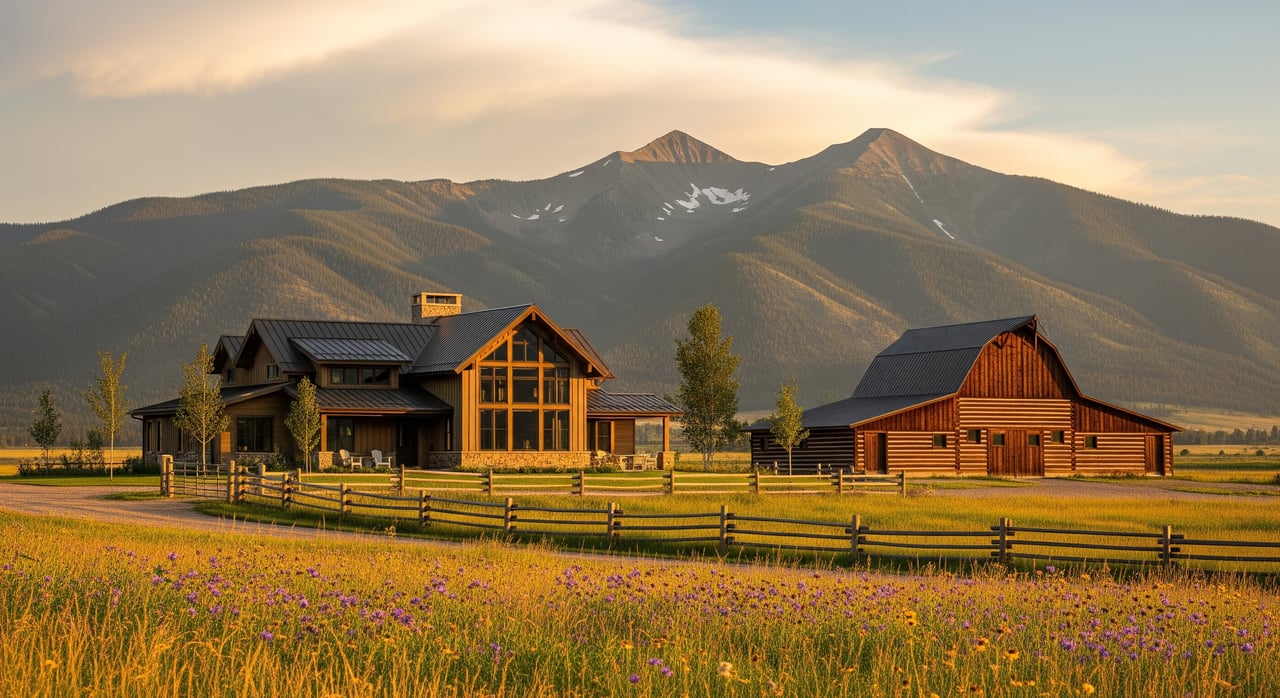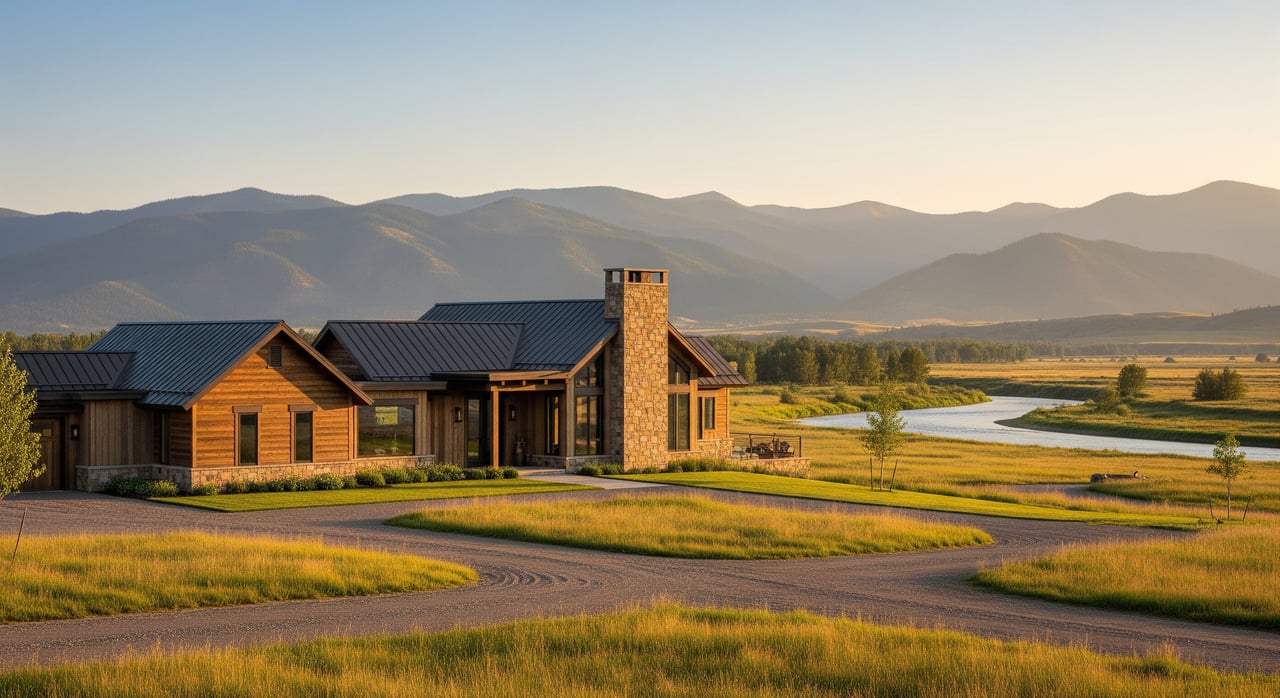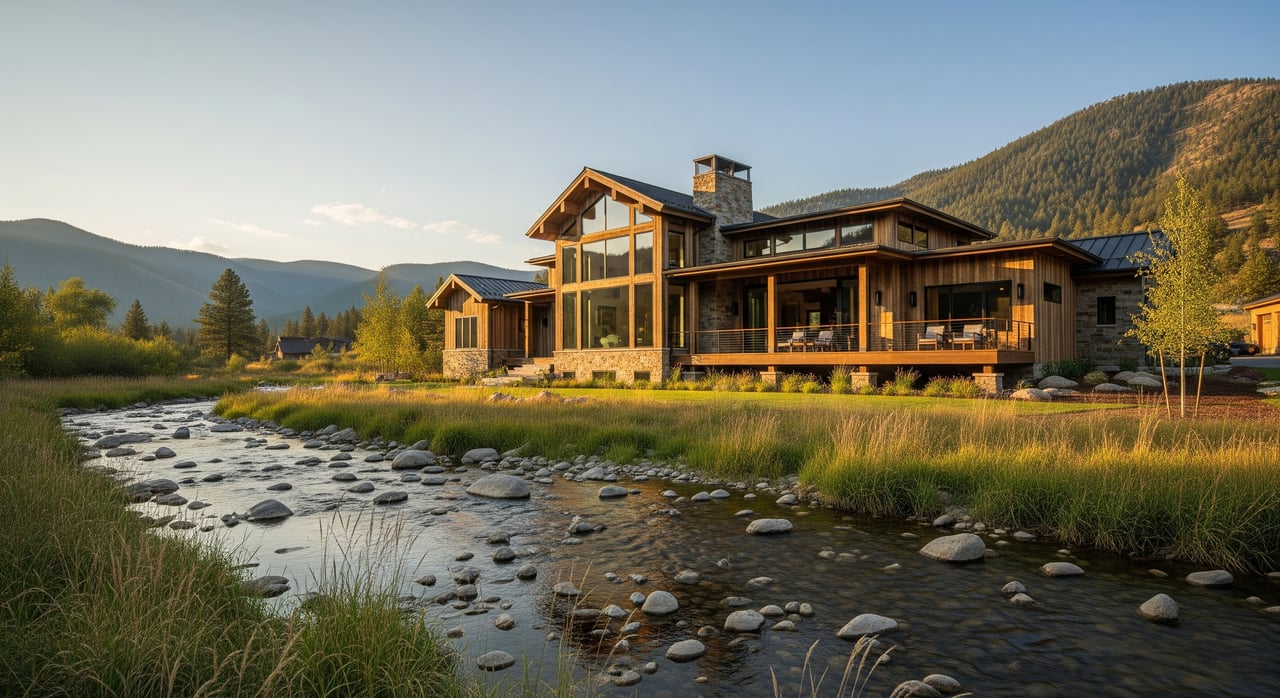
Thinking about more space, mountain views, and an easy reach to Missoula? If Lolo is on your shortlist, you’re in good company. Many buyers choose Lolo for its semi‑rural lifestyle, access to rivers and trails, and proximity to employment, shopping, and medical care in Missoula. In this guide, you’ll learn how to choose the right area, verify utilities, plan for winter, and structure a smooth move with confidence. Let’s dive in.
Why Lolo fits many lifestyles
Lolo sits just south of Missoula in Missoula County. You get the quiet feel of a rural community with a practical commute to the city for work and essentials. Housing ranges from small cabins and older ranch homes to newer single‑family properties and acreage parcels. Many homes use private wells and septic systems, and heating often relies on propane, wood, pellets, or electric.
If you value elbow room, trailheads nearby, and a simpler pace, Lolo checks the boxes. Just remember that rural living brings different responsibilities around utilities, access, and seasonal planning. A little due diligence goes a long way.
Neighborhoods and commute
Community core and corridors
You’ll find a concentrated village area with businesses and the post office, homes along major travel corridors, and more private properties tucked into forested slopes and creek valleys. Some pockets have recorded covenants or HOAs. Others are simply governed by Missoula County zoning.
Acreage and creek valleys
Larger parcels often sit along wooded draws and near creeks. These locations feel private and wild. They can also bring added homework around floodplain rules, driveway grades, and wildfire prevention. Always confirm access rights and road maintenance responsibilities before you commit.
HOAs, zoning, and covenants
Because Lolo is unincorporated, rules vary by subdivision and zoning district. You’ll want to review any recorded covenants, lot size minimums, livestock allowances, and use restrictions through Missoula County’s planning and recording offices. Ask for the full HOA document set when a property is in a managed community.
Commute and daily needs
Most residents head into Missoula for work, shopping, and healthcare. The drive to central Missoula is commonly under an hour for many Lolo addresses, depending on road conditions and exact location. If you plan to commute year‑round, test the route at typical drive times and plan for winter weather.
Utilities and services checklist
In rural western Montana, utility availability can vary widely from one road to the next. Confirm everything early in your search.
Electricity
- Primary electric service is provided regionally by NorthWestern Energy.
- For properties near the edge of service, ask about line‑extension policies and any potential costs.
- Ask sellers for average electric bills to estimate seasonal usage and confirm any backup power systems.
Heating and fuel
- Natural gas infrastructure is limited outside denser corridors. Many homes use propane, wood, pellets, or electric heat.
- If propane is present, confirm whether the tank is owned or leased, the size, and the current supplier’s delivery schedule.
- For wood or pellet stoves, request maintenance records, chimney inspections, and any applicable permits.
Water and septic
- Many homes rely on private wells and septic systems. Ask for the well log, last pump test, and recent water quality results.
- Standard water tests typically include coliform bacteria, nitrates, and arsenic, along with basic chemistry.
- Septic systems should be inspected by a certified professional. Verify the system type, age, capacity, and permit history through Missoula County Environmental Health.
Trash, recycling, and mail
- Rural trash and recycling may be a private subscription or tied to a county transfer station. Confirm provider options and pickup days.
- Mail can be rural route delivery, cluster boxes, or a PO box at the local post office. Ask the USPS in Lolo about address formats and delivery.
Internet and cellular
- Broadband availability is parcel specific. Service may include DSL, cable in select corridors, wireless fixed internet, or satellite options. Fiber exists in limited areas.
- Check general availability using FCC broadband tools, then call local providers for an address‑level check.
- Cellular coverage depends on carrier and topography. Do an in‑person signal test or ask the seller to run speed checks from the property.
Property due diligence you should not skip
Rural properties reward thorough inspections. Build these items into your offer timeline.
Water well and testing
- Order a well inspection and a current water quality panel that includes coliform bacteria, nitrates, arsenic, and pH.
- Request pump age, service records, and any treatment systems. Confirm well depth and typical yield in gallons per minute.
Septic system
- Hire a certified inspector to evaluate the tank and drainfield.
- Confirm that the system is permitted for the bedroom count and intended use.
- Ask for maintenance history and any repair documentation.
Access, roads, and winter readiness
- Verify who maintains the driveway and any private roads. Look for a written road maintenance agreement.
- For longer or steep driveways, ask for photos or proof of winter access and past plowing arrangements.
- Review culverts and drainage to avoid spring breakup problems.
Structural and systems
- Inspect roofs, insulation levels, windows, and heating systems.
- Check wood or coal stoves and chimneys for safety and code compliance.
Floodplain and creeks
- If a property is near a creek or river, check FEMA flood maps and county floodplain rules.
- Ask about erosion history and insurance needs for any mapped flood zones.
Boundaries and easements
- Order a current title report and, when appropriate, a survey or updated plat.
- Identify recorded easements for access, utilities, conservation, or irrigation. Ask about mineral rights if relevant.
Utility extensions and costs
- If power, internet, or other services need to be extended, get written estimates from providers before you remove contingencies.
Wildfire risk and defensible space
- Much of Western Montana has wildfire exposure. Review local fire district guidance, evacuation routes, and recommended mitigation.
- Ask sellers about past thinning, roof materials, and ember‑resistant vents or screens.
Winter access and seasonal planning
Winters can be beautiful and demanding. If you are relocating from a warmer climate, plan ahead.
Vehicles and tires
- Many rural roads are safest with AWD or 4WD, especially for steeper drives.
- Invest in quality winter tires and carry chains where appropriate.
Snow removal
- Confirm whether a seller will include plow equipment or a snowblower.
- For long driveways, line up a private plow service well before the first storms.
- Evaluate where snow can be pushed without blocking access or drainage.
Backup power and heat
- Consider a standby or portable generator sized for essential loads.
- Make sure you have a secondary heat source and enough fuel on hand.
Weatherization
- Seal windows and doors, add insulation where needed, and protect exposed plumbing.
- Order firewood and schedule propane deliveries early in the fall.
Insurance, taxes, and cost planning
Home insurance for rural properties can vary based on heating type, wiring, roof, outbuildings, and wildfire risk. Get quotes early.
If the property is in a FEMA flood zone, you will likely need a separate flood insurance policy.
For property taxes and assessments, verify the current assessed value and any special valuations with the Missoula County Assessor. School district boundaries can influence local levies, so confirm district assignment with official sources.
Ask sellers for recent utility bills for electric and propane to estimate annual costs.
Step‑by‑step timeline for relocating buyers
Use this as a starting point and adjust to your situation.
- 6+ months out: Get familiar with Lolo’s sub‑areas, connect with a local agent, and shortlist properties. Ask about electric, internet, and fuel options for each target property.
- 3 to 4 months out: Line up financing. Structure offers with contingencies for well, septic, structural, and access due diligence. Verify school district boundaries and enrollment steps. Request insurance pre‑quotes.
- 1 to 2 months out: Book a moving company with winter contingency plans. Order heating fuel or firewood. Schedule immediate repairs. Set up mail forwarding and confirm vehicle registration requirements for Montana.
- 2 to 7 days out: Confirm final utility transfers, propane fills, and trash service. Stock winter supplies like chains, shovels, salt, and a roadside kit.
- Moving day and first week: Meet your plow service and propane provider. Confirm trash pickup or transfer station access. Introduce yourself to neighbors and learn local emergency contacts and routes.
Local administrative to‑dos
- Set up USPS mail forwarding and confirm your delivery method for your new address.
- Review Montana driver’s license and vehicle registration timelines and documentation.
- Contact local schools for enrollment records and deadlines.
- Transfer or open accounts with utilities and arrange any required inspections.
Make your move with a local guide
Relocating to Lolo should feel exciting, not overwhelming. When you have a trusted advisor who knows back roads, winter access quirks, and how to vet wells and septics, you move in with confidence. If you are exploring homes, acreage, or a lifestyle property anywhere in Western Montana, let a local expert guide every step. Connect with Jani Summers to map your search, line up due diligence, and plan a smooth first winter.
FAQs
How do I verify internet and cell service at a Lolo property?
- Start with general availability tools for broadband, then call local ISPs for address‑specific options, and test cellular signal in person or ask the seller for real‑time speed tests.
What well and septic costs should I plan for after closing in Lolo?
- Budget for routine water testing, potential pump maintenance, and septic pumping or repairs, and get quotes from local well and septic professionals before removing contingencies.
Do I really need an AWD or 4WD vehicle for Lolo winters?
- Many roads are fine in good weather, but winter storms, private unplowed roads, and steep driveways make AWD or 4WD with winter tires a smart and often necessary choice.
How do I evaluate wildfire risk for a Lolo home?
- Review local fire district guidance and county wildfire resources, confirm evacuation routes, and ask about defensible space work, roof materials, and ember‑resistant features.
Will I need flood insurance for a Lolo property near a creek?
- If any structure is in a mapped FEMA flood zone, standard homeowner policies typically exclude flood, so ask your insurer about a separate flood policy and verify the floodplain with official maps.
How are property taxes and school district boundaries handled in Lolo?
- Missoula County manages assessments and tax bills, while school district boundaries determine school assignment and levies, so confirm both with the county and the local district before you buy.