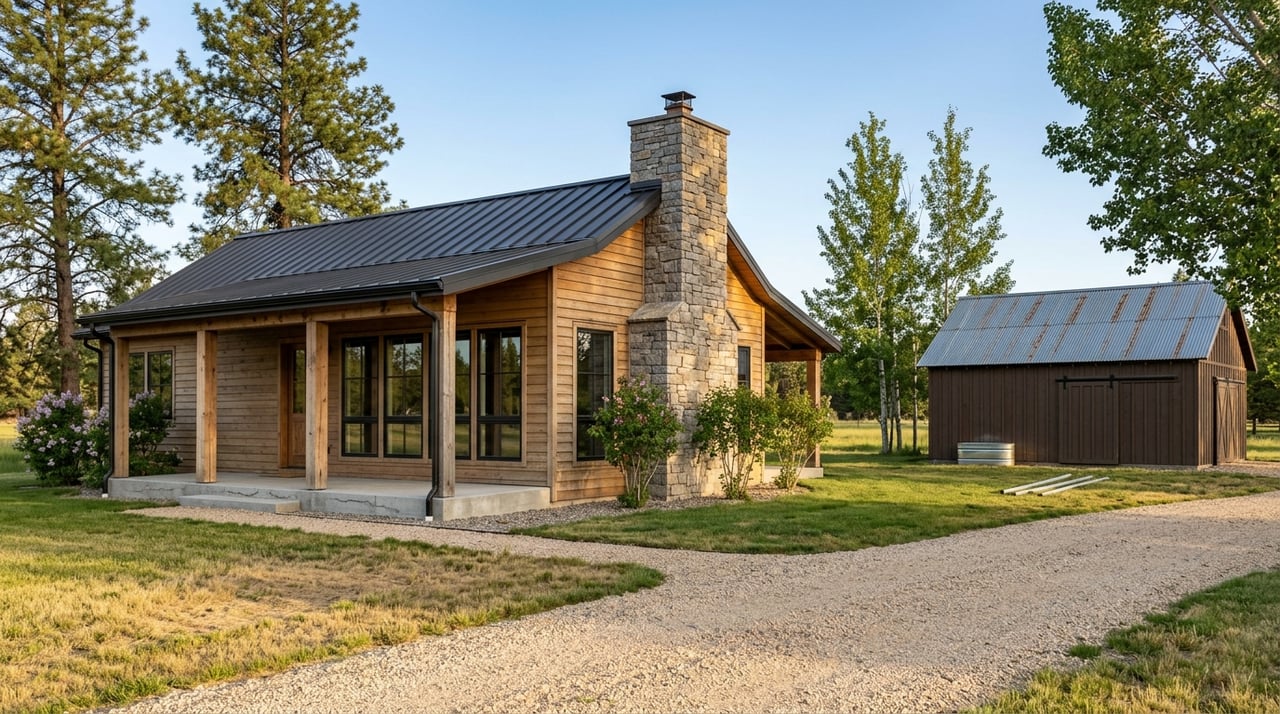
If you are dreaming about a few acres in Corvallis, a barn, a garden, and room to spread out, you are not alone. Hobby farm living in the Bitterroot Valley can be deeply rewarding, but it also comes with practical questions that matter long before closing day. If you know what to check early, you can buy with more confidence and avoid costly surprises later. Let’s dive in.
Why Corvallis attracts hobby-farm buyers
Corvallis sits in the Bitterroot Valley, south of Missoula, between the Bitterroot Mountains and the Sapphire Range. Ravalli County remains strongly tied to agriculture, and that local history still shapes how land is used and valued today.
The valley also has a long orchard tradition. Montana State University notes that large-scale orchards once played a major role here, and apple production is seeing renewed interest on smaller acreages. For buyers who picture a few animals, a garden, or a small orchard, Corvallis can feel like a natural fit.
At the same time, usable agricultural land is becoming more rare as development grows. That makes due diligence even more important. A property may look perfect at first glance, but the real test is whether the land, water, access, and improvements support the way you want to live.
Start with water rights
For hobby-farm properties in Corvallis, water should be your first major checkpoint. In Montana, the state owns the water, and users hold the legal right to use it. The Montana Department of Natural Resources and Conservation says most water uses require a recorded water right, and priority matters because older rights are satisfied before newer ones.
That means a well on the property is not the same thing as a confirmed legal right to use water in the way you expect. DNRC also makes clear that a well log does not create a water right. If you are buying acreage for animals, pasture, gardening, or orchard use, this distinction matters.
Ask how water is actually delivered
Some Corvallis properties receive irrigation through a ditch, irrigation district, water association, or another shared system. In those cases, the legal right may belong to that entity rather than the parcel owner. You will want to know exactly how water reaches the land and whether that arrangement transfers with the property.
This is especially important if a listing mentions irrigation, productive acreage, or seasonal water delivery. You should not assume those benefits automatically come with ownership. The details need to be confirmed.
Understand the 2026 exempt well change
Beginning January 1, 2026, DNRC says anyone intending to develop water use through a permit exception must file a Notice of Intent before using water from an exempt well. DNRC defines exempt wells as small groundwater developments of 35 gallons per minute or less and not more than 10 acre-feet per year.
This update is especially important if you are considering vacant land, a recent split, or a property where you plan to expand water use. If your vision includes more irrigation, additional outbuildings, or broader agricultural use, you will want to verify what is already in place and what may still be required.
Irrigation can make or break usability
In a place like Corvallis, irrigation is not just a bonus. It can be central to how well a hobby farm functions. Montana State University guidance notes that much of Montana has 135 or fewer frost-free days and less than 14 inches of precipitation in growing areas, which makes irrigation planning, frost awareness, and season-extending strategies especially important.
That climate reality affects how you think about pasture, gardens, orchards, and general land productivity. A parcel that looks green in one season may rely on a very specific delivery system or schedule. Buyers should ask not only whether irrigation exists, but how dependable and transferable it is.
Ravalli County guidance also notes that when irrigation districts are involved, irrigation plans may require district approval. That is another reason to understand the full setup before you buy, especially if you plan to change how the land is used.
Septic is a must-check item
On rural and semi-rural properties, septic review should happen early. Ravalli County Environmental Health issues wastewater treatment permits and conducts onsite sewage disposal site evaluations.
The county’s buyer-beware guidance is clear. You should make sure the property has a signed wastewater treatment permit that matches what is actually installed on the ground. If the permit does not match exactly, the property may have a problem.
Why septic mismatches matter
A hobby farm often includes additions over time, such as a remodeled home, an added bedroom, or extra improvements that change how the property is used. If the septic system was altered, expanded, or installed differently than permitted, that can create issues for a buyer.
Ravalli County also notes that some parcels cannot be approved for drainfield installation. So if you are looking at vacant land or a property with plans for future building, septic feasibility is not something to leave until the end.
Access and road maintenance matter more than many buyers expect
A beautiful property can feel very different in January than it does on a sunny showing day. Ravalli County says many platted county roads are not maintained by the county, and snow plowing starts with major collector roads before moving to less-traveled roads.
That means year-round usability may depend on more than the map. You should ask who maintains the road, how winter access works, and whether the driveway or access easement is legal and clearly documented.
Confirm legal and physical access
County planning guidance notes that some rural parcel divisions may not have legal or physical access, road-access permits, utilities, or usable building sites. In other words, a parcel can look straightforward on paper while still needing more review.
County GIS can be helpful as a reference, but Ravalli County also states that GIS is only a reference layer. Questions about right-of-way should be confirmed through the official record and, when needed, a registered surveyor.
Check barns, shops, fences, and other improvements
One of the joys of buying a Corvallis hobby farm is finding a property with useful extras already in place. A barn, shop, shed, RV cover, or fenced area can add real value to your daily life. Still, those improvements should be verified rather than assumed.
Ravalli County guidance suggests buyers treat these structures as improvements that need to be checked for setbacks, access, and permit history. It is wise to confirm whether what you see on the property aligns with county requirements and recorded approvals.
Fire readiness may affect the property
If a property is in a wildland fire hazard area, county standards may require specific measures. The county guide notes that requirements can include a forester evaluation, vegetation reduction, and on-site water storage of 2,500 gallons per lot.
For some subdivision lots, county standards can also require roads built to county standards, utility connections, and fire-district coverage. These details can affect both current use and future plans, so they are worth reviewing carefully.
Fencing is not always simple
Fences often seem like a minor item, but they can matter more than buyers think. Ravalli County notes that fences may be required near railroad tracks or next to a major irrigation supply ditch.
If fencing is important for animals, privacy, or land management, ask what is already in place, what is required, and whether any location-specific conditions apply. A quick review now can prevent expensive changes later.
Do not assume acreage gets agricultural tax treatment
Many buyers see acreage and assume it will automatically receive agricultural tax classification. Montana’s Department of Revenue says that is not the case. Land between 20 and 160 acres that does not meet agricultural classification requirements may be considered non-qualified agricultural land.
The state also says owners seeking agricultural classification must apply by March 1. The key takeaway is simple: acreage alone does not guarantee farm-style taxation. If tax treatment is part of your buying decision, that should be verified before you move forward.
A smart Corvallis hobby-farm checklist
Before you write an offer on a Corvallis hobby farm, focus on the items that most often affect usability and long-term value:
- Confirm water-right status and review DNRC records by geocode and legal land description.
- Verify whether well use is covered by an existing right or a current Notice of Intent where applicable.
- Ask how irrigation water is delivered and whether any ditch, district, or association arrangement transfers with the property.
- Match the septic permit to the installed system and confirm the drainfield location and any replacement area.
- Verify road maintenance, winter plowing, and whether access is legal, surveyed, and documented.
- Review title restrictions, deed restrictions, covenants, and subdivision-related conditions.
- Check barns, shops, sheds, fences, and other improvements for setbacks, access, and permit history.
- Ask whether wildfire-related requirements, on-site water storage, or other county conditions apply.
- Confirm whether the property qualifies for the tax treatment you expect rather than assuming acreage alone is enough.
Why local guidance matters
Buying a hobby farm in Corvallis is about more than finding a scenic piece of land. It is about understanding how that land works in the real world, from water rights and irrigation to access, septic, and improvement history.
That is where local experience can make a meaningful difference. When you work with someone who understands the Bitterroot Valley, you are better positioned to ask the right questions early, spot issues that deserve a closer look, and move forward with a clearer plan.
If you are exploring hobby-farm property in Corvallis or anywhere in the Bitterroot Valley, Jani Summers can help you evaluate the details that matter most and navigate your search with confidence.
FAQs
What should buyers check first on a Corvallis hobby farm?
- Water rights should usually be your first checkpoint, followed closely by irrigation setup, septic permits, and legal access.
Do Corvallis hobby farms always come with irrigation rights?
- No. A property may be served by a ditch, district, or association, and the water arrangement needs to be confirmed to see whether it transfers with the parcel.
Does a well log prove water rights on Montana property?
- No. DNRC says a well log does not create a water right.
What septic question matters most for Ravalli County property?
- You should confirm that the signed wastewater treatment permit matches the system that is actually installed on the property.
Do all Corvallis acreage properties qualify for agricultural tax treatment?
- No. Montana’s Department of Revenue says acreage alone does not guarantee agricultural classification, and qualifying owners must apply by March 1.
Why is access such a big issue for Corvallis rural property?
- Some roads are not county maintained, winter plowing can vary, and a parcel may not have the legal or physical access a buyer assumes from a map alone.