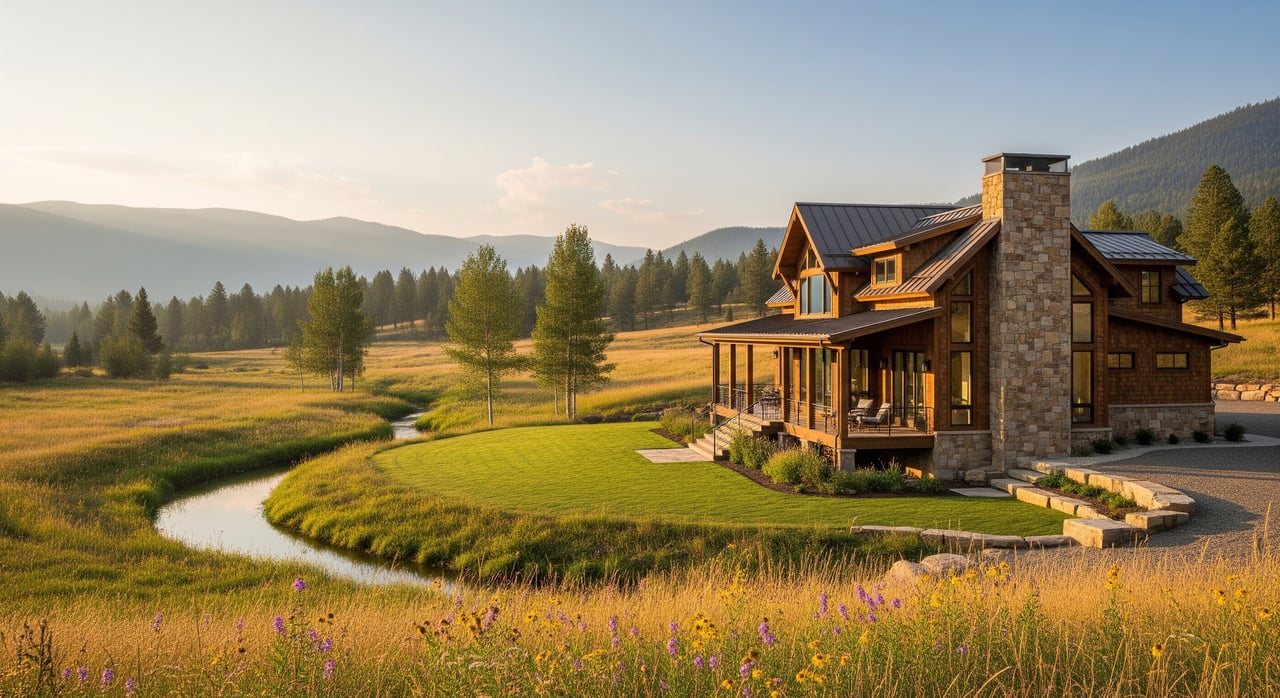
Ever picture coffee on the porch as the sun lights the Bitterroot Range and a few deer step through your pasture? If you are dreaming about space, privacy, and a closer connection to the land, acreage near Hamilton offers a grounded, day-to-day lifestyle with real rewards. You also trade quick city conveniences for seasonal chores and planning ahead. In this guide, you will learn what acreage living looks like, which property features to verify, and how to decide if the Bitterroot Valley fits your life. Let’s dive in.
Why choose acreage here
Hamilton sits in the center of the Bitterroot Valley, with the Bitterroot Mountains to the west and the Sapphire Mountains to the east. US‑93 links you to Missoula in roughly an hour, depending on your location and traffic. You get rural quiet with a practical route to a mid‑sized city when you need bigger retail or specialized services.
In town, you will find grocery stores, banks, restaurants, hardware and basic retail, public schools, and a hospital that serves the valley. For a sense of the area’s culture and events, explore local visitor resources for the Bitterroot Valley. Hamilton’s role as the service hub makes it a natural home base if you want land plus everyday convenience.
What acreage looks like
Acreage near Hamilton ranges from 5‑ to 20‑acre ranchettes to hobby farms of 10‑40 acres and larger working parcels farther out. Closer to town, parcels tend to be smaller and more connected. The farther you go, the more remote properties become and the more you will drive for errands.
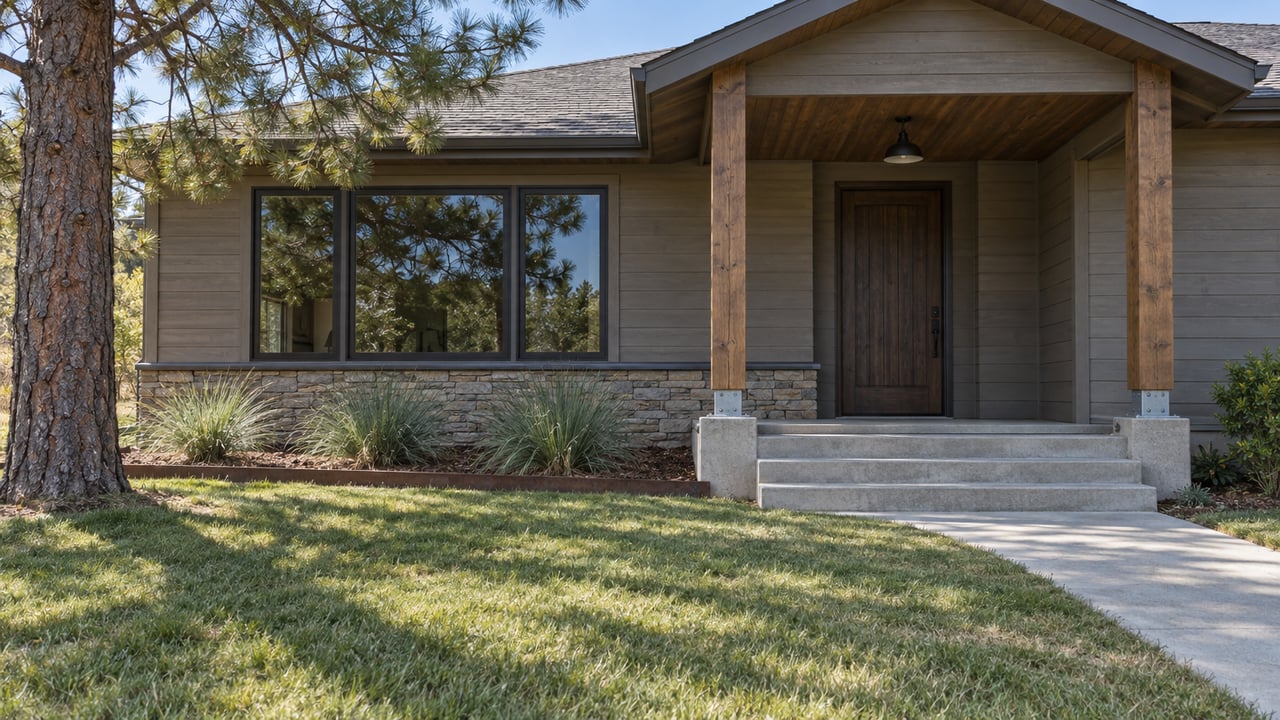
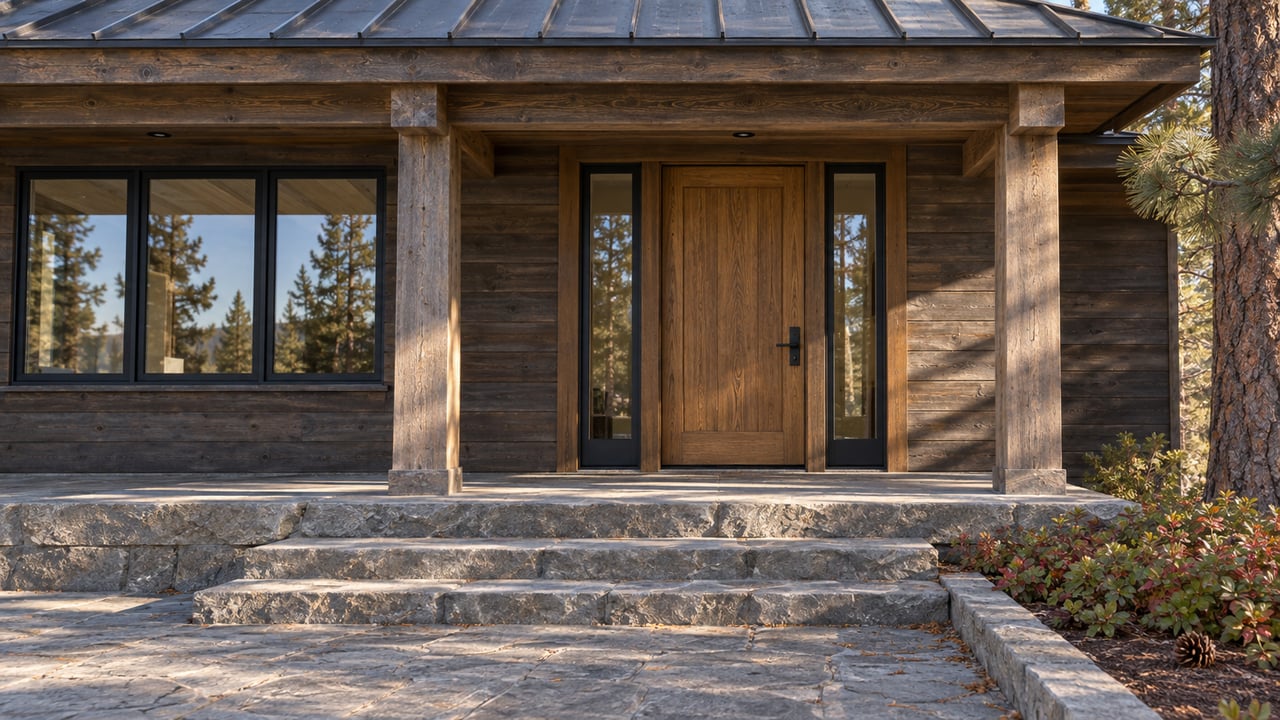
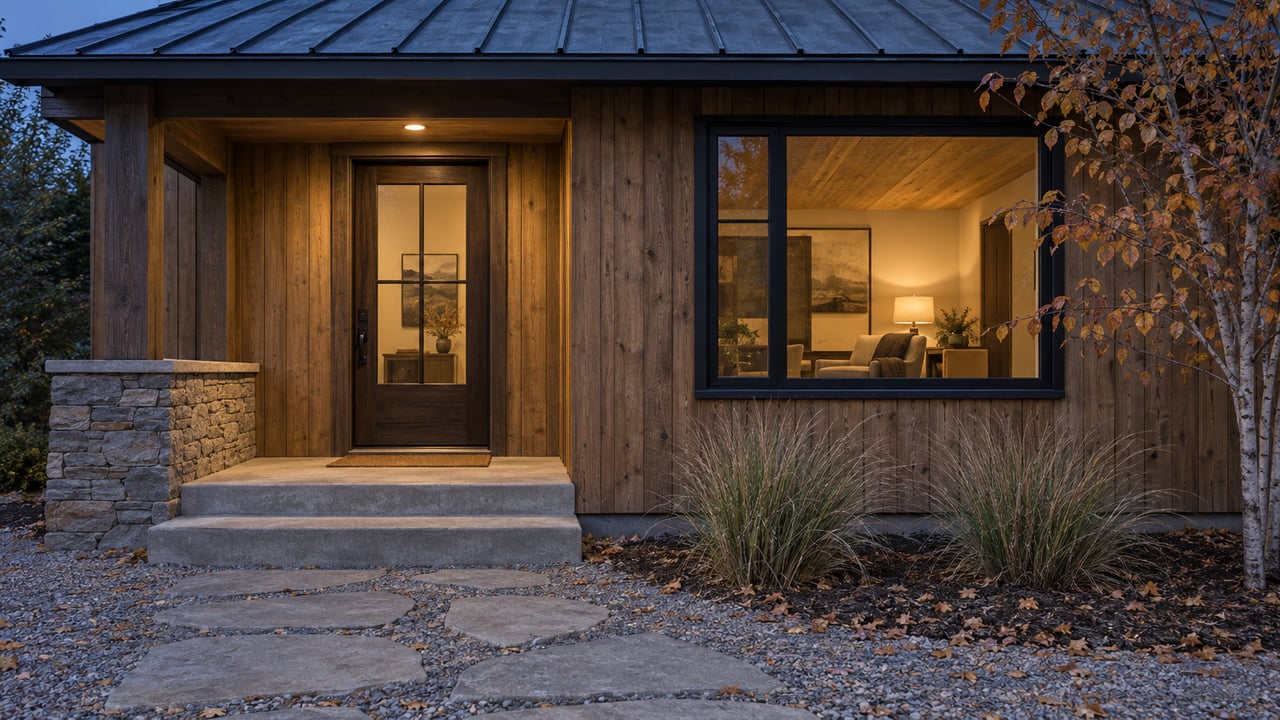
Homes vary. You will see ranch and log styles, barns and outbuildings, corrals, fenced pastures, and hay fields. Some properties include manufactured homes. Think through how you plan to use the land. Horses, small livestock, gardens, hay ground, and shop space each ask for different features.
Access and roads
Many rural parcels use county‑maintained gravel roads. More remote tracts can have private roads or seasonal access. If a road is private, you usually handle maintenance and snow removal with neighbors or on your own. Ask about drive time in winter, and plan for a plow strategy if the driveway is long or steep.
Water and wastewater
Outside town services, you will rely on a private well and a septic system. Before you buy, review well logs, test water quality and yield, and confirm any surface water or irrigation rights. For wastewater, verify septic permits, location of the drainfield, and compliance. County and state rules apply and are important to financing and future projects. Start with Ravalli County Planning and Zoning and the Montana DEQ onsite wastewater guidance to understand standards.
Irrigation and water rights
Not every property has irrigation. If you want lush pasture or hay production, look for ditch access and confirmed rights. In Montana, water rights are separate legal assets and may or may not transfer. Your due diligence should include a careful review of rights and ditch company arrangements. The Montana DNRC water rights guidance is a reliable starting point.
Utilities and connectivity
Electricity is generally available, but very remote parcels may require line extensions. Broadband varies widely. Close‑in areas often have wired options, while outlying properties rely on satellite, fixed wireless, or emerging rural broadband projects. Many residents use Starlink or similar services. To check availability, review the FCC Broadband Map for your address.
Zoning and building rules
Parcel use depends on county zoning. Minimum lot sizes, setbacks, and permitted uses vary by district, and some properties include covenants or conservation easements. Easements for roads, utilities, and irrigation ditches are common. Confirm your plans with Ravalli County Planning and Zoning early in your search.
Environmental constraints
Floodplains exist along the Bitterroot River and its tributaries. If a property sits near a waterway, check flood maps to understand limits on building and insurance needs. Use the FEMA Flood Map Service for official maps and data.
Wildfire risk is a part of life in many summers. Defensible space, ember‑safe building details, and clear access for fire equipment matter. Local fire districts and the U.S. Forest Service provide mitigation guidance. Visit the Bitterroot National Forest for regional information and resources.
Daily life through the seasons
Life on acreage follows the seasons. You plan ahead, build routines, and learn to read the weather.
Spring rhythm
As the valley greens up, you repair fences, service equipment, and prep pastures. If you garden, you may wait out late frosts in low‑lying spots. You will check your well and irrigation systems and set a mowing plan. Spring is also a good time to meet neighbors and compare notes on water schedules and road upkeep.
Summer routine
Long light means long days. Many owners cut and stack hay, rotate animals through pastures, and maintain irrigation ditches. Recreation fits in early or late. You might walk a creek in the morning and ride or fish after dinner. Summer also brings wildfire season in some years, so you stay alert for restrictions, smoke, and evacuation plans.
Fall tasks
You button up before the first real cold snap. Clean gutters, put away hoses, service the well house and generators, and stock fuel. Pasture management shifts to rest and recovery. With chores wrapped, fall is prime time for hiking and hunting. Public access to the mountains is close and extensive.
Winter pace
Snow and ice slow things down. You schedule trips to town around storms, plow driveways and private lanes, and keep a close eye on outbuildings. Many residents keep animal chores simple in winter and shift to indoor projects. Clear communication with delivery services helps when roads are slick.
Recreation at your doorstep
The Bitterroot Valley is an outdoor playground. Trailheads into the Selway‑Bitterroot and Sapphire foothills are spread up and down the valley. You can hike, hunt, fish, snowmobile, and backcountry ski within a short drive, depending on where you live. For rules, seasons, and access, use Montana Fish, Wildlife & Parks and the Bitterroot National Forest.
Fishing is excellent on the Bitterroot River, known for trout and varied hatches. Many acreage owners keep rods by the door for an hour on the water before dinner. If you keep animals, local 4‑H and equestrian groups provide community and events.
Services and community
Hamilton anchors daily life for many acreage owners. You can run errands, visit hardware stores, shop for groceries, and attend community events. The local hospital, Marcus Daly Memorial Hospital, supports the valley with medical services. Schools, churches, volunteer fire departments, and service clubs weave a small‑town social fabric.
You will notice neighbor patterns are different than the city. Properties are spread out, so privacy is higher and drop‑ins are rare. People help each other when it counts, especially with road work, snow events, and equipment questions.
Wildlife and coexistence
You share the valley with deer, elk, black bears, coyotes, and smaller predators. Gardens and animal feed attract attention, so simple prevention goes a long way. You will use bear‑aware practices, secure trash, and protect livestock as needed. Fencing and dog management may adapt to wildlife corridors over time.
Costs and practicalities
Acreage rewards effort. It also adds tasks and expenses you do not have on a city lot. Plan ahead so the lifestyle stays enjoyable.
Due diligence checklist
- Water: review well logs, test quality and yield, and verify any surface or irrigation rights. Start with the Montana DNRC water rights guidance.
- Wastewater: confirm septic permits, drainfield location, and compliance with county and Montana DEQ onsite wastewater rules.
- Access: clarify public versus private roads, maintenance agreements, and snow removal responsibilities.
- Zoning and land use: check permitted uses, setbacks, building permits, covenants, and any conservation easements with Ravalli County Planning and Zoning.
- Title matters: review easements for roads, ditches, and utilities, plus mineral rights where applicable.
- Insurance and lending: confirm homeowner’s and wildfire coverage options. Ask lenders about requirements for wells, septic, and rural parcels.
Ongoing expenses to expect
- Maintenance: fence repair, mower or tractor upkeep, outbuilding repairs, and private road work.
- Utilities: possible line extensions, propane for heating in some areas, and rural internet solutions.
- Snow and driveway care: plowing and gravel are recurring costs for longer drives.
- Property taxes and classifications: check current status with the county assessor since agricultural or timber designations can affect assessed value.
Risk factors to assess
- Wildfire: evaluate defensible space, access for responders, and materials that help with ember exposure. Local fire districts can advise and may have programs to help.
- Flooding: consult the FEMA Flood Map Service if the property sits near the river or creeks.
- Emergency response: travel times are longer the farther you are from town. Proximity to Marcus Daly Memorial Hospital improves access, but remote parcels still face delays during storms or road work.
Financing and market notes
Rural parcels can have stricter lending standards, including larger down payments or different appraisal requirements. Policies vary by lender. It helps to work with professionals who know wells, septic systems, water rights, and private road issues. Interest in rural acreage has been strong in recent years, but conditions change. Local market reports and experienced agents will keep you current.
How to start your search
Start by clarifying your must‑haves. Decide how much land you will truly use, how far you want to drive for services, and whether you need irrigation. Then take these steps:
- Visit candidate properties in different seasons to understand access, sun, wind, and water behavior.
- Talk with neighbors and call Ravalli County Planning and Zoning about zoning, permits, and any recorded easements.
- Verify wells, septic systems, and any water rights with the Montana DNRC and Montana DEQ, and hire local inspectors.
- Check the FCC Broadband Map and talk with providers about realistic speeds at your address.
- Map your route to town and your winter plow plan.
- Weigh the lifestyle tradeoffs honestly. More land gives you more freedom and also more maintenance.
When you are ready to tour acreage or want a second set of eyes on water rights, access, or zoning, connect with a local guide who works these properties every day. If you want a clear path to a confident purchase in the Bitterroot Valley, reach out to Jani Summers.
FAQs
What is the day-to-day life like on Hamilton acreage?
- Expect a mix of animal care or garden work, fence and pasture maintenance, snow removal in winter, and planned trips to town for supplies, with recreation built around the seasons.
How do water rights work for irrigated properties near Hamilton?
- In Montana, water rights are separate from the land. You should verify if ditch or surface rights exist and whether they transfer. Start with the Montana DNRC water rights guidance.
What should I check about wells and septic systems in Ravalli County?
- Review well logs, test water quality and yield, confirm septic permits and drainfield location, and ensure compliance with county and Montana DEQ onsite wastewater rules.
How reliable is internet on rural acreage near Hamilton?
- Broadband varies by location. Close‑in areas may have wired options, while remote parcels often use satellite or fixed wireless. Verify options with the FCC Broadband Map.
What are the main risks to consider for acreage in the Bitterroot Valley?
- Wildfire exposure, floodplain limits near waterways, and longer emergency response times are key. Use the FEMA Flood Map Service and local fire resources to assess risk.
How far is medical care from rural properties around Hamilton?
- Many residents rely on Marcus Daly Memorial Hospital in Hamilton for valley services. Travel times increase with distance and winter weather, so plan accordingly.