Thinking about turning a Lolo cabin into a short-term rental or buying a second home that helps cover its costs? You are not alone. The Lolo and Missoula area draw year-round visitors for outdoor adventure and local events, which can translate into bookings if you plan well. In this guide, you will learn the rules to check, the features guests want, what seasonality looks like, how to model your numbers, and the due diligence steps that help you buy with confidence. Let’s dive in.
STR rules in Lolo: Start here
Short-term rental rules stack at several levels. You need to confirm state taxes, county zoning, and whether a property falls within a local town or city. Properties in the Lolo area are subject to Missoula County rules, and some may also be inside town or city limits that have their own requirements. Start by verifying the exact jurisdiction for any address you are considering.
Local governments often require registration or permits, occupancy and parking limits, and life-safety items like smoke and carbon monoxide alarms. Many also require a local contact for complaints and may enforce minimum night stays in some zones. Expect to collect and remit lodging taxes if you operate legally.
Before you make an offer, plan a quick call list. Contact Missoula County Planning and Development Services for zoning and permits, the local town or city office if applicable, the county treasurer for local lodging tax procedures, and the Montana Department of Revenue for state lodging tax registration. Rules change over time, so verify current requirements before you buy and before you list.
Confirm jurisdiction and zoning
- Identify whether the property is within the Town of Lolo limits, the City of Missoula, or unincorporated Missoula County. Requirements differ.
- Ask Planning and Development which uses are allowed in the property’s zoning district and whether a conditional use permit applies.
- Note any occupancy, parking, or minimum-stay standards tied to that zone.
Lodging taxes and registration
- Expect to register to collect and remit state and local transient lodging taxes on short-term stays.
- Confirm reporting schedules, filing portals, and whether local business licensing applies.
- If the property operated previously, request proof of past tax remittances.
Safety and inspections
- Many programs require documented life-safety items before issuing a permit.
- Plan for smoke and carbon monoxide alarms, a fire extinguisher, and clear egress.
- In rural locations, check water, septic, and any county health requirements.
HOA, CCR, title, and insurance
Even if local rules allow STRs, private restrictions can override your plans. This is where careful document review protects you.
Read HOA and CCRs closely
- Some HOAs ban short-term rentals or impose minimum stays, guest caps, and strict rules for parking and quiet hours.
- Obtain the full HOA packet, recorded covenants, and recent meeting minutes to spot new or pending changes.
- Ask the HOA manager or board to confirm current enforcement practices in writing.
Title, plat notes, and easements
- Have the title company review recorded covenants, plat notes, and easements that may limit rental use.
- Confirm access rights, shared driveways, and any restrictions on commercial activity.
- Look for conservation easements or subdivision rules that restrict rentals.
STR insurance essentials
- Standard homeowner policies often exclude business-use losses. Ask for a short-term rental endorsement or a landlord policy that covers frequent guest turnover.
- Consider higher liability limits or an umbrella policy to protect your assets.
- Verify coverage for Montana-specific risks like snow load, frozen pipes, and wildfire proximity.
Access and emergency services
- Confirm winter road maintenance and who plows your access route.
- Check address signage for emergency dispatch and proximity to local services.
- These details improve guest safety and may affect underwriting.
Market and guest demand in Lolo
The Lolo area benefits from outdoor access, the Bitterroot Valley, Lolo National Forest, rivers, and trail systems. Proximity to Missoula and regional air access at Missoula International Airport supports steady visitation.
Who books here
- Outdoor groups for fishing, rafting, hiking, and trail access
- Families seeking a quiet weekend base close to town amenities
- Hunting parties during the big-game seasons
- Visitors to Missoula events who prefer a rural setting
- Remote workers seeking space and privacy, especially in off-peak months
What guests value most
- Reliable high-speed internet and a dedicated workspace
- Off-street parking and easy winter access with clear snow plans
- A well-equipped kitchen and in-home laundry for longer stays
- Cozy comfort: solid heating, comfortable beds, blackout curtains, and reliable hot water
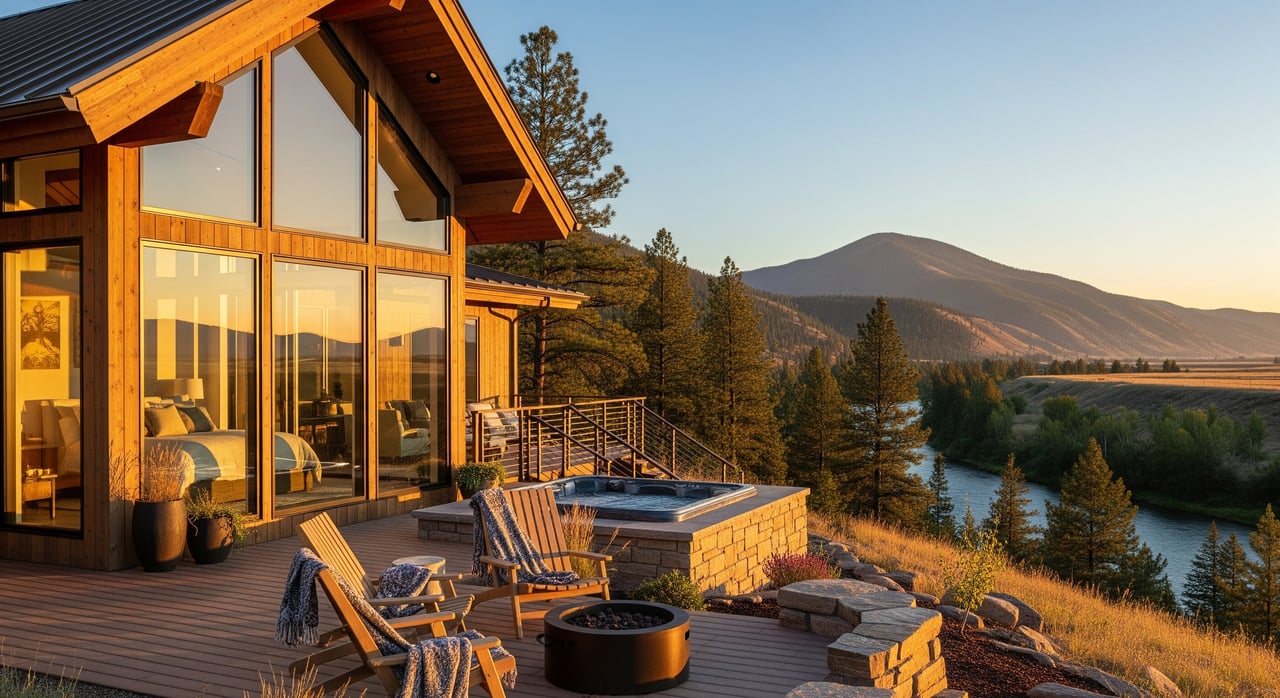
- Outdoor touches: a private yard, fire pit, grill, covered porch, secure gear storage, and a hot tub if feasible
- Pet-friendly policies where allowed
- Simple, contactless check-in and a responsive local contact
- Clean, accurate photos and a curated local area guide
Seasonality and booking patterns
- Summer is typically strongest for recreation and local events, often with higher occupancy and rates.
- Spring and fall see focused demand from anglers, leaf-peepers, and hunting seasons, often with weekend spikes.
- Winter demand depends on nearby winter recreation and your positioning for longer stays. Plan for higher operating costs from heating and snow removal.
- Hunting seasons can create short windows of high demand with larger group bookings.
Researching comps and pricing
- Use third-party data tools to review local occupancy, average daily rates, and seasonality trends.
- Study active listings to spot feature gaps, minimum-night rules, and cleaning practices.
- Build a conservative revenue estimate and adjust for your property’s features and location.
Build a conservative pro forma
A clear financial model helps you balance lifestyle use with investment goals. Build three scenarios: conservative, moderate, and optimistic. This approach prepares you for seasonality and rule changes.
Revenue assumptions
- Estimate average daily rate and occupancy by season using local comps.
- Add potential ancillary revenue like pet fees.
- Consider minimum-night strategies to reduce turnover and improve margins.
Expense lines to include
- Mortgage or financing costs and property taxes
- STR insurance, utilities, internet, trash, and any HOA dues
- Maintenance, repairs, landscaping, and snow removal
- Professional cleaning and linen service per turn
- Platform fees, supplies, and a reserve for furnishings and replacements
- Property management or co-host fees if you do not self-manage
Financing considerations
- Some lenders treat STRs as higher risk and use different underwriting for investment properties.
- Owner-occupancy requirements or loan program limits may apply.
- Work with lenders familiar with short-term rental income and Western Montana markets.
Taxes and accounting
- Plan to collect and remit local lodging taxes as required.
- STR income is taxable; track all operating expenses and days of personal use.
- Discuss depreciation and recordkeeping with a CPA who understands rental property rules.
Operations and guest experience
Your operating plan affects reviews, occupancy, and neighbor relations. Decide how hands-on you want to be.
Management options
- Self-manage if you are local and available for emergencies.
- Use a local co-host for guest communication and turnovers.
- Hire a full-service manager for pricing, compliance, and on-call support.
Safety and house rules
- Provide smoke and carbon monoxide alarms, a fire extinguisher, and posted emergency info.
- Set clear quiet hours, parking limits, occupancy caps, pet rules, and trash instructions.
- Share guidelines for fire pits or woodstoves if applicable.
Winter readiness
- Insulate pipes, maintain reliable heat, and install smart thermostats or monitors.
- Arrange a snow removal contract and provide guests with simple winter driving tips.
- Keep an emergency kit and contact list on-site.
Due diligence checklist
Use this quick list while you evaluate properties:
- Confirm the exact jurisdiction and pull all applicable STR rules
- Review HOA and CCR documents and minutes for rental limitations
- Order a title review for recorded covenants, plat notes, and easements
- Request the seller’s STR history, permits, and tax remittance records if applicable
- Verify lodging tax registration steps and reporting schedules
- Inspect utilities, water, and septic for guest turnover needs and health rules
- Get quotes for STR-specific insurance and umbrella coverage
- Run market comps and talk with local STR managers about seasonality
- Check road maintenance responsibilities and winter access
- Build a conservative cash-flow model with full operating costs
Common risks to plan for
- Regulatory changes or stricter enforcement that affect permits or operating rules
- HOA or CCR restrictions discovered after closing
- Seasonal swings in occupancy and rates, and event-driven spikes that are hard to predict
- Insurance gaps and liability exposure for guest injuries or property damage
- Operational complexity for remote owners, especially in winter
Buying in Lolo for short-term rental use can support both lifestyle and income if you back your vision with solid planning. Focus on clear rules, the right property features, realistic financials, and a reliable local team. If you want a second home that guests love and you enjoy, a careful approach will help you get there.
Ready to talk through a property or build a plan for your purchase? Connect with Western Montana’s local guide, Jani Summers, to align your goals with a smart, on-the-ground strategy.
FAQs
Are short-term rentals allowed in Lolo, Montana?
- It depends on the property’s jurisdiction and any private restrictions. Confirm with Missoula County or local town or city offices and review HOA and CCR documents before you buy.
Do I need a permit or to register my Lolo STR?
- Many jurisdictions require STR registration or permits, plus a local contact and life-safety items. Check current rules with planning and development offices before operating.
What lodging taxes apply to Lolo short-term rentals?
- Expect to register, collect, and remit state and local transient lodging taxes on short stays. Confirm rates and schedules with the Montana Department of Revenue and county treasurer.
Can an HOA or CCRs ban short-term rentals in Lolo?
- Yes. Private covenants can prohibit or limit STRs even if local government rules allow them. Always review the full HOA packet, recorded CCRs, and meeting minutes.
What features boost bookings for Lolo vacation rentals?
- High-speed internet, winter-ready access and parking, a stocked kitchen, comfortable beds, outdoor amenities like a fire pit, and pet-friendly policies where allowed.
How should I estimate income for a Lolo STR?
- Use local comps for average daily rate and occupancy, adjust for seasonality, and build conservative, moderate, and optimistic scenarios to stress-test your plan.
Is it better to self-manage or hire a local manager?
- A local manager can improve response times and guest experience but adds fees. Self-management saves money if you can handle communication, turnovers, and emergencies.