Are you wondering how to price your Stevensville luxury home or small ranch so you do not leave money on the table? You are not alone. In a small, scenic market like the Bitterroot Valley, premium properties can be hard to compare and the right number is not always obvious. In this guide, you will learn how buyers value views, acreage, and outbuildings, how to handle comps in a thin market, and how to choose a pricing strategy that fits your goals. Let’s dive in.
Know the Stevensville luxury market
Stevensville sits in a smaller submarket within Ravalli County, so the inventory of upper end homes and small ranches is thin. That low supply creates more pricing volatility and fewer direct comps than you might find in a bigger metro. You should expect wider swings in list price elasticity and longer timelines.
Your buyer pool usually comes from three places. Many are local or regional buyers from the Bitterroot Valley and Hamilton. Others commute from or move out of the Missoula area. A third group is out of state lifestyle buyers from the Pacific Northwest, California, and Colorado. Your pricing and marketing should speak to all three groups to reach full demand.
Timing matters. Spring and summer often produce more showings for lifestyle listings. Winter weather can limit access on rural roads and reduce foot traffic. If you plan to list in late fall or winter, stronger price positioning or thoughtful incentives can help.
What drives value in Stevensville luxury and small ranches
Views and visual amenity
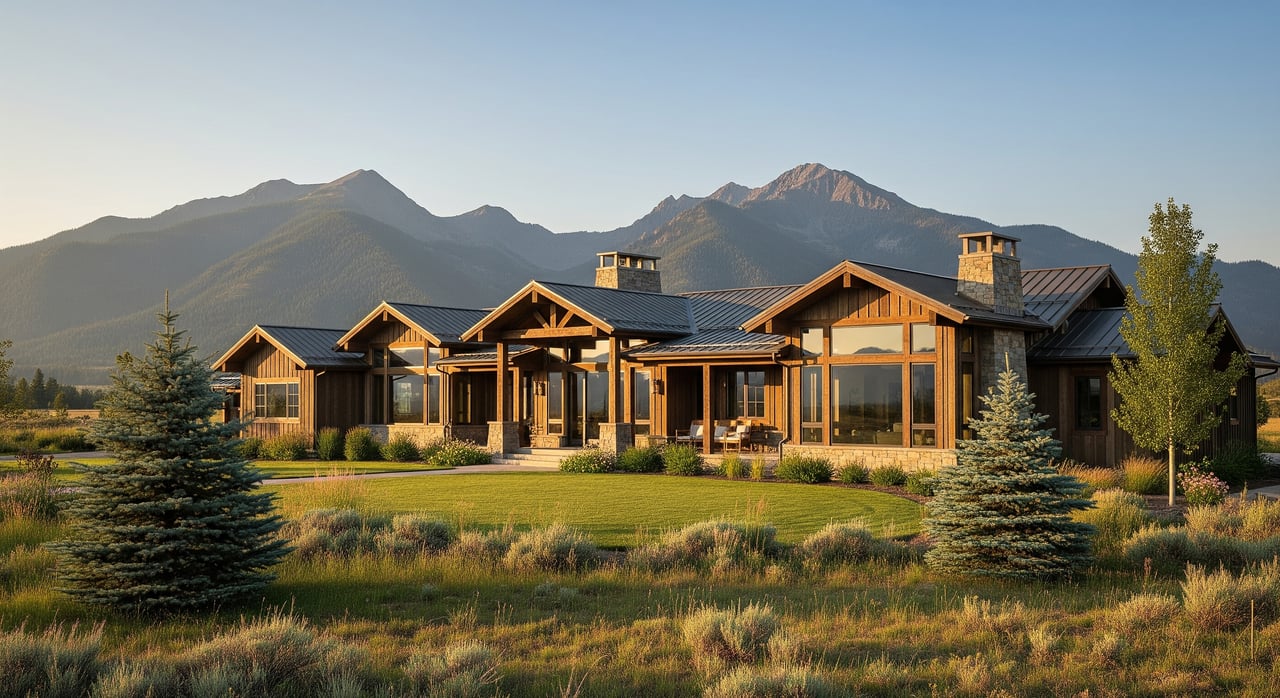
In the Bitterroot, views are a major value driver. Appraisal literature commonly places premiums for strong mountain or valley views in the 5 to 20 percent range compared to similar homes without a view. Exceptional, permanent panoramic views can support more. Be ready to document view permanence, like setbacks or areas unlikely to be developed.
When possible, use paired sales thinking. Compare similar homes where the main difference is view quality, and make conservative adjustments given the thin data set.
Acreage, land use, and usable pasture
Acreage value depends on how you can use it, not just the total number of acres. Irrigation, fencing, terrain, and water rights matter. Many buyers will place a higher value on irrigated or fenced pasture than on raw, steep, or rocky land.
Per acre value often declines as the acreage grows. Hobby ranch parcels in the 5 to 40 acre range can command higher per acre values than larger tracts. Clear and correct documentation of water rights or ditch shares is essential in Montana.
Outbuildings, arenas, shops, and equestrian facilities
Functional outbuildings can be a major plus for buyers who need them. A well built barn, indoor or outdoor arena, or a heated shop can increase saleability and support a stronger price. For buyers without equestrian or shop needs, these features might add less value or be viewed as extra maintenance.
Condition and permitting matter. Unpermitted structures or inadequate septic capacity can subtract value or create lender and buyer friction. Gather permits, plans, and service records before you list.
House quality, finishes, and systems
Luxury buyers expect quality. High end finishes, solid roofing and foundation, efficient heating like radiant systems, and broadband readiness all matter. Deferred maintenance on a luxury home often draws a larger discount than on an entry level home.
Document recent upgrades, well and septic service records, HVAC history, and any energy ratings. Reducing uncertainty helps buyers stretch on price.
Access, roads, utilities, and services
Year round access, county maintained roads, reliable winter plowing, and good driveway conditions support stronger pricing. So do clear easements and utilities with adequate capacity. Lack of natural gas, limited electric capacity, or poor internet should be reflected in price and marketing.
Commute time to Missoula, proximity to medical services, and school access are common buyer considerations. Present those details neutrally and clearly so buyers can decide for themselves.
Wildfire, flood, and insurance
Insurance availability and cost are important in western Montana. Properties in higher wildfire risk areas can face fewer buyers and may require price concessions. Show your defensible space work, ember resistant upgrades, and any mitigation steps you have taken.
If applicable, be aware of flood maps and local fire zone ratings. Providing insurance quotes can help buyers understand costs and maintain confidence at your target price.
How to handle comps and appraisals in a thin market
Direct substitutes can be scarce, so you may need to widen your lens. Expand the time window to 12 to 24 months and, if needed, the search radius to the broader Bitterroot Valley. Focus on functional equivalence. Match on usable acreage, irrigation or water rights, outbuildings, and view quality more than a cookie cutter price per square foot.
Component valuation works well for rural luxury. Value the dwelling based on quality and size. Then value the land and add contributory value for specialty improvements like a barn or arena. Use paired sales or contributory value methods rather than relying only on averages.
Appraisals can be conservative. Lenders may call for a second appraisal if the property is unique. Jumbo or conventional financing is common at higher price points, and appraisal gaps can occur. If you expect appraisal risk, prepare a clear comp package with maps, photos, upgrade lists, and cost estimates. Be ready with a plan for a low appraisal, such as negotiating terms or discussing a limited appraisal gap strategy with buyers.
Set the right list price
Most sellers will benefit from a market reflective price that is supported by comps and thoughtful adjustments. This tends to attract qualified buyers, set a credible anchor, and minimize time on market. In a balanced market, buyer offers often track close to list price.
If demand is strong and supply is thin, an aggressive market capture strategy can work. Listing slightly under perceived market value can drive showings and even multiple offers. The risk is that a small buyer pool could yield only one motivated buyer, so your marketing must widen reach beyond local channels.
For exceptional properties with time to wait, a premium aspirational strategy may make sense. List above comps when you have unique attributes like rare panoramic views, a turnkey equestrian facility, or significant water rights. Expect longer days on market and be ready to manage price reduction optics if traction is slow.
Use a three tier price band
- Tier A, conservative sale: Aim for a quick sale at roughly 5 to 10 percent below mid market value.
- Tier B, market value: Supported by comps and the best fit for most sellers.
- Tier C, stretch: For unique attributes, often 10 to 20 percent above market value with clear justification.
Pick your band based on your priorities. If speed matters, lean Tier A. If maximizing price matters and your features are rare, Tier C can be appropriate. Document your rationale in your listing remarks and your comp packet for appraisers.
Pricing signals that matter
Small psychological pricing cues, like 1,195,000 versus 1,200,000, tend to matter less in the luxury tier than correct banding and a strong narrative. Lead with your value story. For example, highlight a rare turnkey ranch with irrigated pasture, permitted equestrian facilities, and permanent mountain views.
The first 14 days are critical. Most showings occur early, so align pricing and marketing for maximum impact the moment you hit the market.
Negotiate with confidence
Expect negotiation to focus on contingencies and terms rather than large price swings. Inspection items, equipment inclusions, post closing occupancy, and timeline can carry weight. Common seller concessions include fixing critical mechanicals, offering a limited home warranty, or contributing to closing costs when needed.
If you invite competitive bidding, consider allowing escalation clauses with a clear cap. Keep the appraisal plan in mind so a winning offer can actually close.
Prepare for a smooth sale
Gather your due diligence items before you go live. That includes recent surveys or plat maps, septic inspection or pump records, well log and pump test, water rights documentation, building permits, and any HOA or covenants. If a known issue could derail a deal, get specialty inspections prelisting to reduce uncertainty and support pricing.
Check insurance availability and obtain sample quotes for homeowner and fire coverage. If wildfire risk raises premiums, price accordingly and highlight mitigation. Understand likely financing paths, including jumbo options, which can be more sensitive to appraisal outcomes.
Market to the full buyer pool. High quality photography, drone footage for views and acreage, and video tours help out of area buyers. Broker tours and targeted exposure in Missoula and other Western Montana hubs expand reach. Clear showing instructions and flexible scheduling help buyers traveling from out of state.
Quick seller checklist
- Gather 12 to 24 months of comparable sales across Ravalli County if needed.
- Document water rights, well log, irrigation systems, and ditch shares.
- Inspect septic and well, and consider prelisting certificates.
- Assess view permanence and highlight defensible space work.
- Obtain insurance quotes and be ready to discuss wildfire risk.
- Decide on Tier A, B, or C pricing and record your rationale.
- Prepare a comp and features packet for buyers, agents, and appraisers.
Pricing a luxury home or small ranch in Stevensville is part art and part discipline. When you pair a clear understanding of value drivers with smart comp work and a price band that fits your goals, you give buyers a reason to move with confidence. If you want seasoned guidance, premium marketing, and access to a wider buyer pool across Western Montana and beyond, connect with Jani Summers.
FAQs
How should I price a Stevensville luxury home with panoramic views?
- Start with market reflective pricing supported by comps, then adjust for view quality. Strong mountain or valley views often justify a 5 to 20 percent premium when documented and permanent.
How do I value outbuildings on a small ranch in Ravalli County?
- Estimate contributory value using both cost to replace and market comparison to similar sales with and without the facilities, and make sure condition and permits support the adjustment.
What if there are few comparable sales for my Stevensville property?
- Expand the comp window to 12 to 24 months and the radius to the Bitterroot Valley, and use functional equivalence on acreage, irrigation, outbuildings, and view rather than price per square foot alone.
How does wildfire insurance affect my listing price in Western Montana?
- Limited availability or higher premiums can shrink the buyer pool and pressure price, so provide mitigation details and insurance quotes up front to support your target value.
When is the best season to list a Stevensville small ranch?
- Spring and summer tend to attract more lifestyle buyers and better visuals, while late fall and winter may require stronger price positioning or buyer incentives due to access and weather.
Should I try an aspirational list price for a unique equestrian property?
- Aspirational pricing can work if you have rare features and time to wait, but expect longer days on market and plan for how you will manage price reductions if activity is slow.
How can I avoid appraisal issues on a jumbo financed sale?
- Provide a thorough comp and features packet, include permits and service records, and be prepared to negotiate terms or a limited appraisal gap strategy if the value comes in low.